
Starting to invest can feel intimidating. There’s a lot of information, plenty of opinions, and a lot of people claiming they have the “perfect” strategy. The truth is that investing isn’t about being fearless or knowing everything, but about starting with clarity and building confidence over time. If you’re new to investing, the goal is to develop habits that allow your money to grow steadily while you learn.
Start With a Clear Reason
Before choosing any investment, ask yourself why you want to invest. Is it for long-term wealth, financial security, passive income, or future expenses like education or retirement? Having a clear reason helps guide your choices and prevents emotional decisions. When markets fluctuate — and they will, your “why” would keep you grounded.
Make Sure Your Foundation Is Solid
Investing works best when your basic finances are stable. This means you have a simple budget, some emergency savings, and control over high-interest debt. You don’t need to have everything perfect, but investing without a financial buffer leads to panic withdrawals. A small safety net gives you the confidence to stay invested when markets move.
Start Small and Stay Consistent
One of the biggest beginner mistakes is waiting for a “large” amount before starting. You don’t need huge capital to invest; just be consistent.
Starting small allows you to learn without fear. As your income grows and your confidence improves, you can naturally increase your contributions. Investing is a long-term habit, not a one-time event.
Understand What You’re Investing In
Never invest in something you don’t understand, no matter how popular it is. Take time to learn the basics of how an investment works, what affects its value, and the risks involved.
If you can’t explain an investment in simple terms, it’s a sign you need more clarity before committing money.
Diversify to Reduce Risk
Putting all your money in one place increases risk. Diversification means spreading your investments across different assets so that one poor performance doesn’t wipe out everything. This doesn’t mean owning dozens of investments. Even a small mix of assets can reduce stress and improve long-term stability.
Avoid Emotional Decisions
Markets go up and down. Beginners often panic when prices fall or get overly excited when they rise. Both reactions can be costly. Successful investors learn to pause before acting. Emotional discipline matters more than timing or predictions, especially in the early stages.
Choose Simple, Beginner-Friendly Options
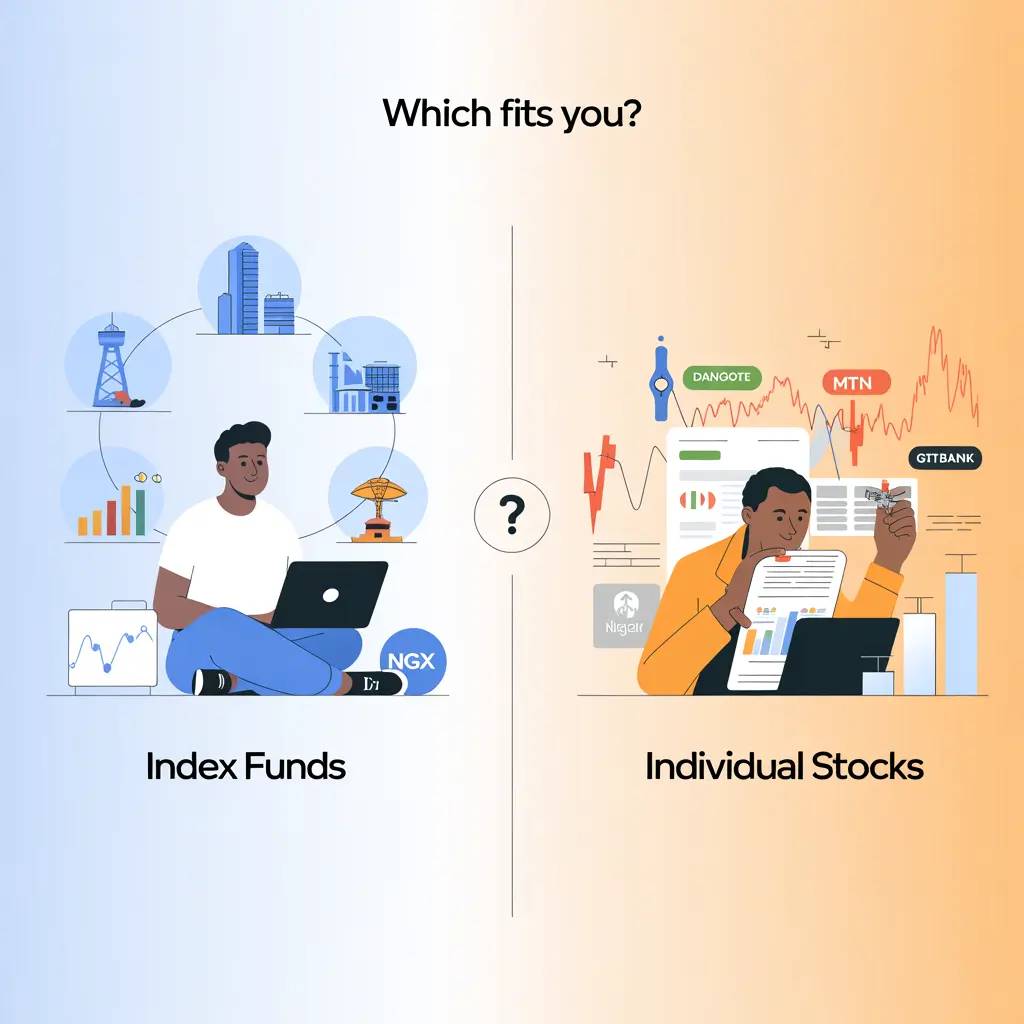
Simple investments like mutual funds, index funds, or diversified portfolios are often better for beginners than frequent trading. As you gain experience, you can explore more advanced options if they suit your goals.
Think Long Term, Not Overnight
Investing rewards patience. The most powerful results come from staying invested over time, allowing compounding to work quietly in your favor. Avoid strategies that promise fast profits with little risk. Sustainable growth is not dramatic, but it’s reliable.
Review, Learn, and Adjust Gradually
Your first investment plan won’t be perfect, and that’s okay. Review your progress periodically, learn from mistakes, and adjust calmly. Investing is a skill, and like any skill, it improves with experience.
Invest in a High-Yield Savings Account (don’t settle for 3% banks give you when you can get 20% on your savings): www.app.optimus.ng/register?ref=4de524
Earn over 20% with Stanbic IBTC Money Market Funds: https://www.stanbicibtcfundsmanagement.com/invest-now-x8p45e48
Conclusion
Most people don’t start investing because they feel unprepared. In reality, clarity comes from action, not waiting. Start small. Stay consistent. Learn as you go. Because that’s how confident investors are built.
Get your Complete Budget & Money Tracker here: https://selar.com/3h70r3
Join the VIP Community and get expert guidance: https://www.financewithanne.com/legacy-builders-network