
Introduction
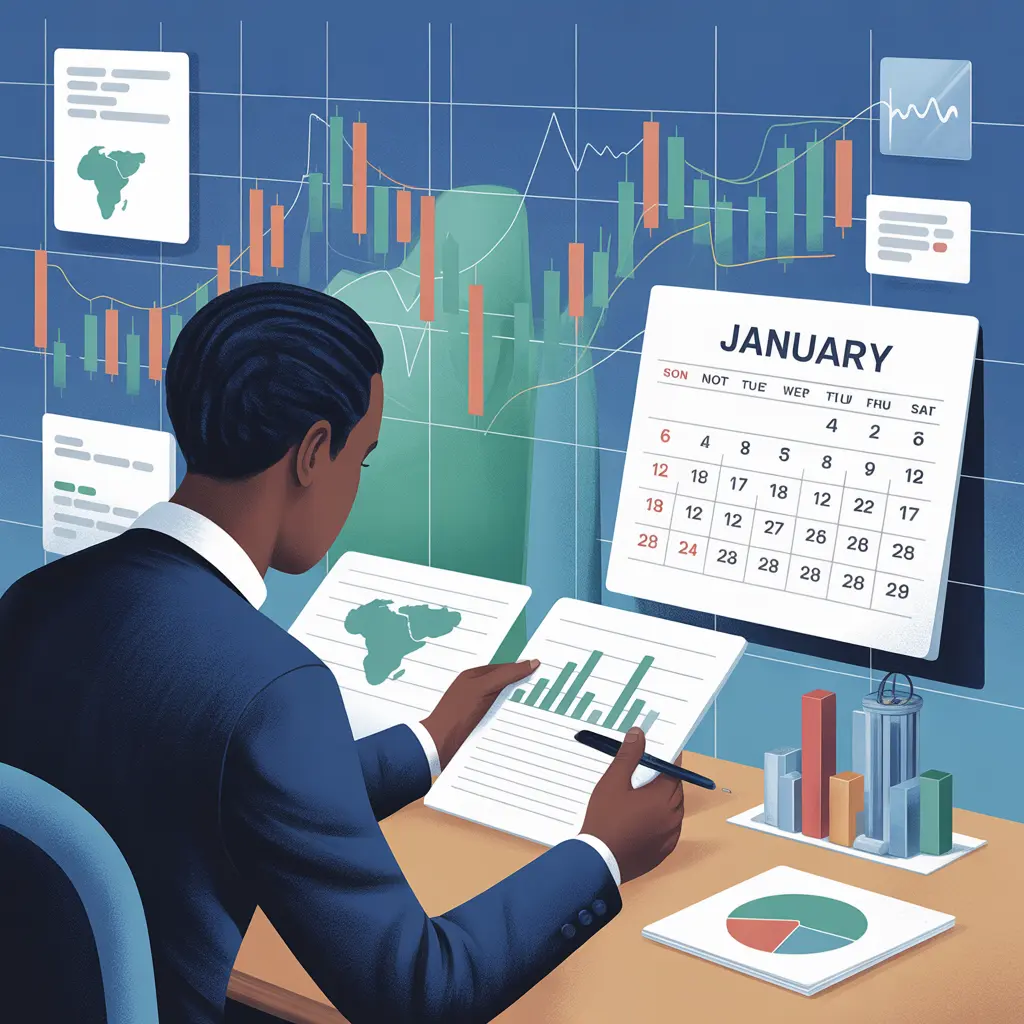
January always sets the tone. It reveals how markets respond to expectations, how investors behave under pressure, and how quickly optimism can collide with reality. The first month of the year is not even about big conclusions, it’s about early signals.
For Nigerian and global investors alike, January reminded us that money decisions are never just about numbers. They’re about psychology, preparation, and perspective.
Markets Don’t Move on Hope Alone
One of January’s clearest lessons is that markets respond more to fundamentals than feelings. Many investors entered the year hopeful for rapid gains, but market performance was shaped by earnings expectations, interest rate outlooks, and policy direction.
In Nigeria, equity movements reflected company fundamentals, liquidity conditions, and sector-specific performance rather than broad excitement. Globally, markets reacted cautiously to inflation data and central bank signals. January reinforced a simple truth: expectations matter, but results matter more.
Inflation Remains a Quiet Decision-Maker
Even when it isn’t dominating headlines, inflation continues to influence nearly every financial choice. Rising costs affect consumer spending, company margins, interest rates, and personal budgeting decisions.
January reminded investors that ignoring inflation doesn’t make it disappear. It shapes how much cash loses value, how returns should be evaluated, and why long-term planning matters. For individuals, it also highlighted the importance of aligning income growth, savings, and investments with real purchasing power.
Investor Behavior Still Drives Outcomes
One of the most revealing aspects of January wasn’t market performance, but investor reactions. Some rushed in based on early gains. Others pulled back after minor pullbacks. The month exposed how easily emotions can override strategy.
This pattern shows up every year, yet many still underestimate its impact. January taught us again that discipline often matters more than timing. Investors who stayed aligned with their plans were less stressed than those who reacted to every market move.
Diversification Is More Than a Buzzword
January reinforced the value of not putting all your financial hopes in one place. Investors exposed to a mix of assets, local and global, growth and income-focused — experienced more balance than those heavily concentrated in one area.
Diversification didn’t eliminate volatility, but it reduced regret. It allowed portfolios to absorb shocks rather than amplify them. This lesson becomes more important as markets grow more interconnected and unpredictable.
Short-Term Noise vs Long-Term Direction
Another key takeaway from January is how misleading short-term movements can be. A strong or weak start to the year doesn’t define the entire journey.
Markets often test patience early. January reminded investors that reacting too quickly to early trends can derail long-term goals. Planning requires the ability to zoom out, even when daily movements feel urgent.
Personal Finance Still Matters as Much as Investing
While market discussions dominated attention, January also highlighted something quieter but equally important: personal finance habits.
Budgeting, saving, debt management, and income planning all played a role in how individuals experienced the month financially. Market gains mean little if cash flow is strained. January showed that strong personal finance foundations make investing less stressful and more sustainable.
Order your Ebook here (5 Investments you can start with 10,000): https://selar.co/f54299
Book a session with me to set up your finances the right way: https://selar.co/1b8204
Planning Beats Prediction
Perhaps the most important lesson January offered is that successful financial outcomes are rarely about predicting the future perfectly. They’re about preparing for multiple possibilities.
Those who entered the year with flexible plans, emergency buffers, and clear goals handled uncertainty better than those relying on optimistic forecasts. Planning doesn’t eliminate risk, but it reduces panic.
What January Quietly Asked of Investors
January didn’t demand bold moves. It asked for reflection. It asked investors to observe their habits, revisit their goals, and adjust where necessary.
Get your Complete Budget & Money Tracker here: https://selar.com/3h70r3
Join the VIP Community and get expert guidance: https://www.financewithanne.com/legacy-builders-network