Introduction
Getting out of debt is a major achievement, but staying out of debt is the bigger challenge. Many people get out of their debts only to find themselves back in the same situation months or years later. This usually happen not because of laziness, but because old financial habits were never replaced with better ones.
Avoiding debt is not really about having a high income but more about building systems, discipline, and awareness around how you manage money. This article explains practical steps you can take to avoid falling into debt again, protect your financial progress, and build lasting financial stability.
You may also want to read: How to Rebuild Your Finances After Financial Mistakes
Understand Why You Fell Into Debt in the First Place
Before you can avoid debt, it is necessary to understand what caused it. Many people focus only on the repayment and ignore the underlying behaviors that led to borrowing. Debt often comes from emotional spending, poor planning, lack of emergency savings, or trying to maintain a lifestyle that is beyond one’s income.
Take time to reflect honestly. If emergencies pushed you into debt, then you should focus on building savings. If impulse spending was the issue, then control your habits. Understanding your triggers helps you to design a structure that prevent you from repeating the same mistakes.
Live Below Your Means, Not At the Edge of It
One of the most effective ways to avoid debt is to live below your income level. Living below your means creates breathing room in your finances and reduces the need to borrow when unexpected expenses arise.
Many people live at the edge of their income, spending everything they earn each month. This leaves no margin for emergencies. When income drops or expenses increase, debt becomes the only option. cultivate the habit of spending less than you earn because it gives you financial flexibility and peace of mind.
Invest in a High-Yield Savings Account (don’t settle for 3% banks give you when you can get 20% on your savings): www.app.optimus.ng/register?ref=4de524
Earn over 20% with Stanbic IBTC Money Market Funds: https://www.stanbicibtcfundsmanagement.com/invest-now-x8p45e48
Stick to a Realistic Budget
A budget is not a restriction; it is a protection plan. Without a budget, spending would be based on emotions rather than logic. A realistic budget helps you to allocate money intentionally, and ensures that essentials, savings, and future goals are prioritized.
Your budget should reflect your actual income and lifestyle. Avoid creating unrealistic budgets that are too strict to follow. When done consistently, budgeting becomes a second nature and reduces the likelihood of unplanned borrowing.
Build and Maintain an Emergency Fund
An emergency fund is one of the strongest defenses against debt. Many people fall back into debt because they have no savings to handle unexpected expenses like medical bills, car repairs, or temporary loss of income.
Start small if necessary, but be consistent. Your goal should be to gradually build a fund that can cover several months of basic living expenses.
You can learn more in Emergency Fund: What It Is and Why You Need One.
Avoid Lifestyle Inflation
Lifestyle inflation is when spending increases as income increases. Earning more money is good, but increasing expenses at the same pace often leads to financial stress and renewed debt.
Instead of upgrading everything when your income rises, direct a portion of additional earnings toward savings, investments, or debt-free goals. Maintain a simple lifestyle even as income grows to strengthen your financial position and reduce dependency on credit.
Use Credit Carefully and Intentionally
Credit itself is not always bad, but careless use of credit leads to long-term problems. Avoid using loans or credit cards to fund wants, social pressure, or emergencies that could be covered by savings.
If you must use credit, ensure it fits into a clear repayment plan. Always understand interest rates and repayment terms before borrowing. Responsible credit use requires discipline and planning, not impulse.
Track Your Spending Regularly
Many people return to debt simply because they stop paying attention to their spending. Small daily expenses quickly add up and can quietly push finances off balance.
Tracking expenses helps you to stay aware of where your money goes and alerts you early when spending becomes excessive. This awareness allows you to make adjustments before debt becomes necessary.
Increase Income Without Increasing Debt
Sometimes debt returns not because of overspending, but because income is insufficient. Instead of borrowing to close the gap, focus on increasing income through legitimate means like side hustles, freelancing, skill development, or passive income opportunities.
Additional income provides flexibility and reduces reliance on credit. Even small income boosts can significantly improve financial stability over time.
Practice Financial Discipline Daily
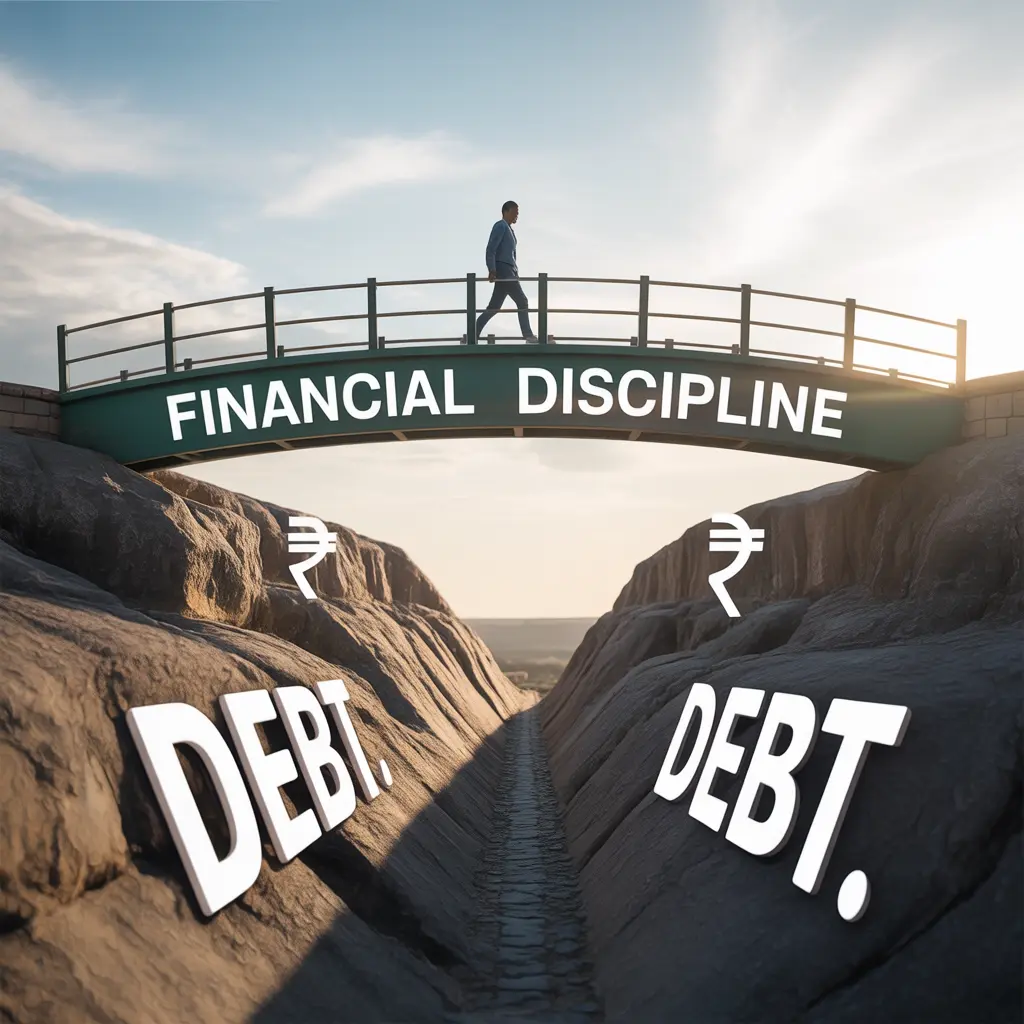
Avoiding debt is daily financial discipline. This includes delaying gratification, making thoughtful spending decisions, and prioritizing long-term goals over short-term comfort.
Discipline is built through repetition. The more consistently you practice good money habits, the easier they become. Over time, disciplined choices replace old patterns that once led to debt.
Learn more in Importance of Financial Discipline.
Review Your Finances Regularly
Financial situations change, and your plans should evolve with them. Regularly reviewing your finances helps you spot problems early and adjust your budget, savings, or goals as needed.
Monthly or quarterly reviews allow you to stay proactive rather than reactive. This habit helps prevent financial surprises that often lead to borrowing.
Conclusion
Avoiding debt is about awareness, planning, and consistency. Understanding your past mistakes, budgeting wisely, saving for emergencies, and practicing financial discipline, protects yourself from falling into debt again.
Financial freedom is built one decision at a time. The choices you make daily determine whether debt controls your future or stays out of your life for good.
Book a session with me to set up your finances the right way: https://selar.co/1b8204
Get your Complete Budget & Money Tracker here: https://selar.com/3h70r3